Health
Wrist Strapping KT Tape: A Complete Guide to Support, Application, and Safe Use

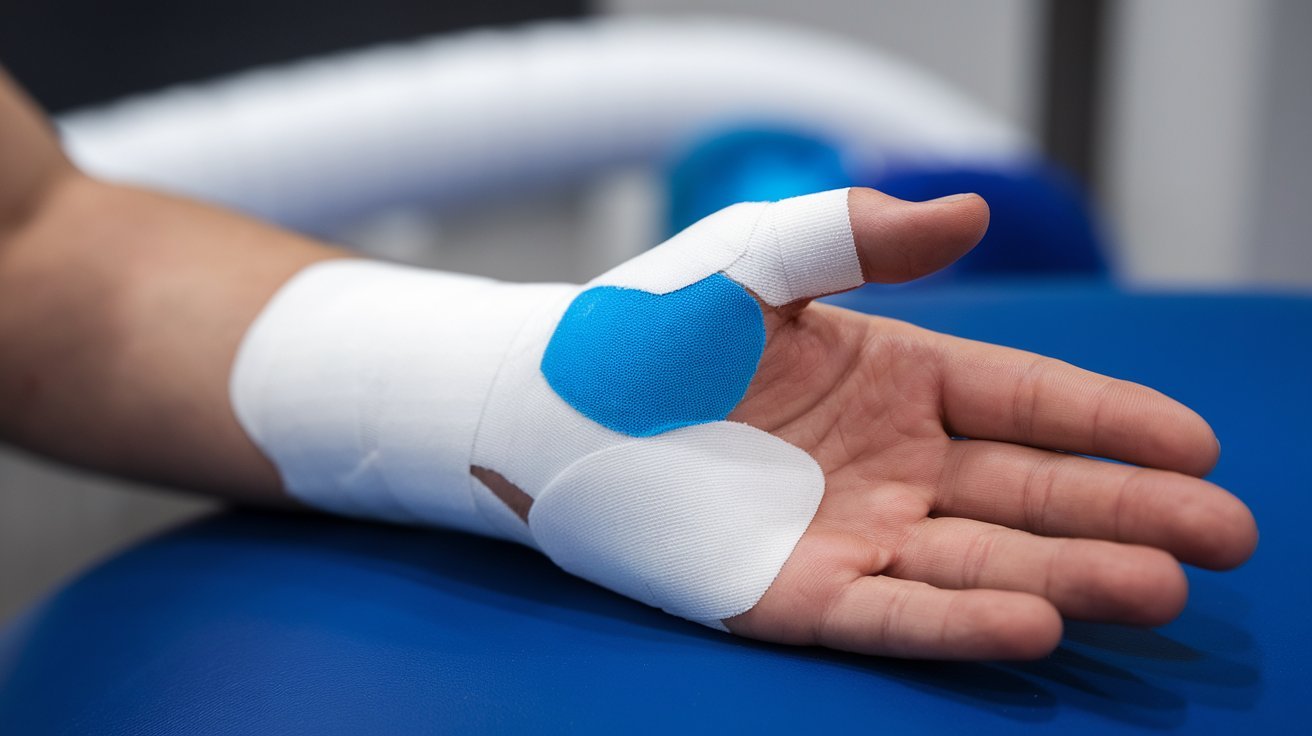
Wrist pain, stiffness, and discomfort can make everyday activities surprisingly difficult. Typing, lifting, exercising, playing sports, or even gripping ordinary objects can become uncomfortable when the wrist is not moving comfortably. Wrist strapping with KT Tape is one commonly used approach for providing lightweight support while allowing the wrist to maintain a useful range of movement. Unlike a rigid brace, kinesiology tape is designed to move with the body, making it popular among athletes, active individuals, and people who want temporary support during daily activities.
Understanding how KT Tape for wrist support works, how to prepare the skin, where to place the strips, and when to avoid taping can make the technique considerably more effective. Proper application matters because poorly positioned tape may loosen quickly, restrict movement unnecessarily, or irritate the skin. We can also approach wrist taping as a supportive technique rather than a replacement for proper diagnosis and treatment when an injury is serious or persistent.
What Is Wrist Strapping With KT Tape?
KT Tape is a type of elastic kinesiology tape that can be applied directly to the skin over muscles, joints, and surrounding areas. Wrist strapping with KT Tape generally involves placing one or more strips around the wrist and forearm to provide a feeling of support without completely immobilizing the joint. The elasticity of kinesiology tape allows it to stretch and move as the wrist moves.
Traditional athletic tape is often used to restrict movement more firmly, while kinesiology tape is typically intended to provide a more flexible form of support. This difference makes wrist strapping KT Tape particularly appealing for activities where complete immobilization would interfere with performance.
The purpose of taping can vary. Some people use it during exercise, while others use it during repetitive activities such as computer work. It may also be incorporated into a broader rehabilitation program when recommended by a qualified professional. We should remember that tape does not repair damaged tissue by itself. Its primary role is supportive.
Benefits of Using KT Tape on the Wrist
One of the main advantages of KT Tape wrist strapping is its flexibility. Because the tape stretches, it can provide support without creating the same rigid feeling associated with a conventional wrist brace. This can be useful when we need some additional awareness or support while still being able to move the hand and wrist.
Another benefit is its relatively low profile. Properly applied kinesiology tape can usually be worn under clothing and sports equipment without adding substantial bulk. This makes it convenient for activities such as training, recreational sports, work, and other repetitive movements.
Wrist taping may also encourage greater awareness of wrist positioning. The physical sensation of the tape can remind us to avoid certain movements that aggravate discomfort. However, we should not interpret this sensation as proof that an injury has healed.
The effectiveness of taping varies from person to person and depends on the underlying problem, application technique, activity, and individual response. KT Tape should therefore be viewed as a supportive option, not a universal solution for every type of wrist pain.
How to Prepare for Wrist Strapping KT Tape
Good preparation is essential for successful wrist strapping with KT Tape. The skin should generally be clean and dry before application. Oils, lotions, sweat, and excessive moisture can reduce adhesion and cause the tape to peel prematurely.
We should also inspect the skin before applying the tape. Avoid placing kinesiology tape over open wounds, significant irritation, active rashes, or areas of damaged skin. If the skin is particularly sensitive, testing a small piece of tape first may help identify an adverse reaction before applying a larger amount.
The tape can usually be measured and cut before application. Rounded corners are often useful because they can reduce the tendency of the edges to catch on clothing or equipment. We should avoid applying excessive tension. Elastic tape does not need to be stretched aggressively to provide a useful supportive sensation.
Before beginning, it is helpful to identify the movement or activity we want to support. The application should complement natural wrist movement rather than unnecessarily restricting the hand.
How to Apply KT Tape for Wrist Support
A basic KT Tape wrist strapping technique can involve a strip extending from the hand or wrist area toward the forearm, depending on the desired direction of support. The exact placement should reflect the area of discomfort and the movement that needs assistance.
First, we can position the wrist in a comfortable, neutral or slightly supported position. The anchor end of the tape is placed on clean, dry skin without excessive stretch. The remaining section can then be guided along the wrist and forearm with gentle tension according to the intended technique.
Another strip may be positioned across or around the wrist to create additional support. Care should be taken not to wrap the tape so tightly that it produces numbness, tingling, discoloration, increased pain, or a cold sensation in the hand or fingers.
After application, we can gently rub the surface of the tape to encourage the adhesive to bond with the skin. The tape should feel secure but should not feel painfully tight. We should then move the wrist slowly through its comfortable range of motion and check whether the application feels supportive rather than restrictive.
For people recovering from an injury, guidance from a physiotherapist, sports therapist, or other qualified healthcare professional can be especially valuable because different wrist conditions require different approaches.
Common Mistakes When Strapping the Wrist
Several mistakes can make KT Tape for wrist support less comfortable or less useful. Applying tape to damp or oily skin is one of the simplest problems to avoid. Poor skin preparation can cause the adhesive to lift quickly, particularly during exercise.
Another common mistake is using too much tension. More stretch does not automatically mean more support. Excessive tension can increase skin irritation and create an uncomfortable pulling sensation. We should use only the amount of stretch appropriate for the specific taping technique.
Wrapping tape too tightly around the wrist is another concern. The wrist and hand contain important nerves and blood vessels, so circulation and sensation should never be compromised. If symptoms such as numbness, tingling, unusual swelling, or changes in skin color occur, the tape should be removed.
It is also easy to cover too much of the wrist. A complicated application is not necessarily better. A simple, carefully positioned configuration may be more comfortable and practical than multiple overlapping strips.
When Should We Avoid KT Tape on the Wrist?
Although kinesiology tape is widely used for temporary support, wrist strapping KT Tape is not appropriate for every situation. We should be cautious when there is significant swelling, an open wound, unexplained severe pain, substantial bruising, or an obvious deformity.
Following a major fall or impact, especially when movement is extremely painful or the wrist appears misshapen, professional medical assessment is more important than attempting to tape the area. Similarly, persistent wrist pain should not simply be covered with tape indefinitely.
People with known skin allergies or sensitivity to adhesives should take extra precautions. Tape should also be removed if burning, severe itching, blistering, or significant redness develops.
Most importantly, tape should not be used to mask pain so that we can continue an activity that is making an injury worse. Temporary support can be useful, but identifying and addressing the underlying cause remains essential.
How to Remove and Care for KT Tape
Removing KT Tape from the wrist should be done carefully because pulling the tape rapidly can irritate the skin. We can loosen an edge and gradually peel the tape back rather than ripping it away from the skin.
If the adhesive is particularly strong, moisture or an appropriate adhesive-removal method may make the process more comfortable. After removal, the skin can be checked for redness, irritation, or other reactions.
We should also avoid repeatedly applying tape to irritated skin. Giving the area time to recover can help prevent unnecessary skin problems. If a reaction continues after the tape has been removed, professional medical advice may be appropriate.
For active users, proper skin care is just as important as the taping technique itself. Clean, healthy skin generally provides a better surface for adhesion and reduces the likelihood of unnecessary irritation.
Conclusion: Using Wrist Strapping KT Tape Properly
Wrist strapping KT Tape can be a convenient way to add flexible support during selected activities. Its elastic design allows movement while providing a physical reminder and supportive sensation around the wrist. When applied correctly, it can fit into exercise, sports, work, and rehabilitation routines without the bulk of a rigid brace.
The key is to use kinesiology tape appropriately. We should begin with clean, dry skin, apply the tape without excessive tension, check circulation and sensation, and remove it if significant discomfort or skin irritation occurs. Most importantly, taping should complement—not replace—appropriate treatment for an underlying injury.
When wrist pain is severe, persistent, associated with major swelling or deformity, or follows significant trauma, professional assessment should take priority. For uncomplicated situations where temporary support is appropriate, careful KT Tape wrist strapping can be one practical tool for maintaining comfortable movement and supporting an active routine.


2025 Toyota Sequoia Platinum: Luxury, Power, Features, Towing and Complete Guide

Dan Cogdell: Biography, Legal Career, Notable Cases, and Professional Background in 2026

iRobot Roomba Combo Dust Bin/Tank With Clean Base Function: Complete 2026 Guide

Eloise Christina Schwarzenegger Pratt: Biography, Family, Parents, Early Life, and Growing Public Interest

Who Is Judy Parsons? The Untold Story of Jim Parsons Mother

Chrome Music Lab: A Creative and Interactive Way to Explore Music Online
-
 Celebrity2 months ago
Eloise Christina Schwarzenegger Pratt: Biography, Family, Parents, Early Life, and Growing Public Interest
-
 Celebrity3 months ago
Who Is Judy Parsons? The Untold Story of Jim Parsons Mother
-
 Entertainment2 months ago
Chrome Music Lab: A Creative and Interactive Way to Explore Music Online
-

 Celebrity2 months ago
Sophia Rose Stallone: Biography, Career, Family, Education, Podcast, and Growing Influence
-

 Celebrity3 months ago
Who Is Nanette Bledel? The Untold Story of Alexis Bledel’s Mother
-

 Blog2 months ago
ThriftyEvents Net: The Complete 2026 Guide to Budget-Friendly Event Planning, Smart Resources, and Creative Celebration Ideas
-

 Celebrity3 months ago
Who Was Santa Gandolfini? James Gandolfini’s Mother
-

 Business2 months ago
www.BlueFlamePublishing .net: The Complete 2026 Guide to Publishing, Self-Publishing, Book Marketing, and Author Success