
Technology
iRobot Roomba Combo Dust Bin/Tank With Clean Base Function: Complete 2026 Guide

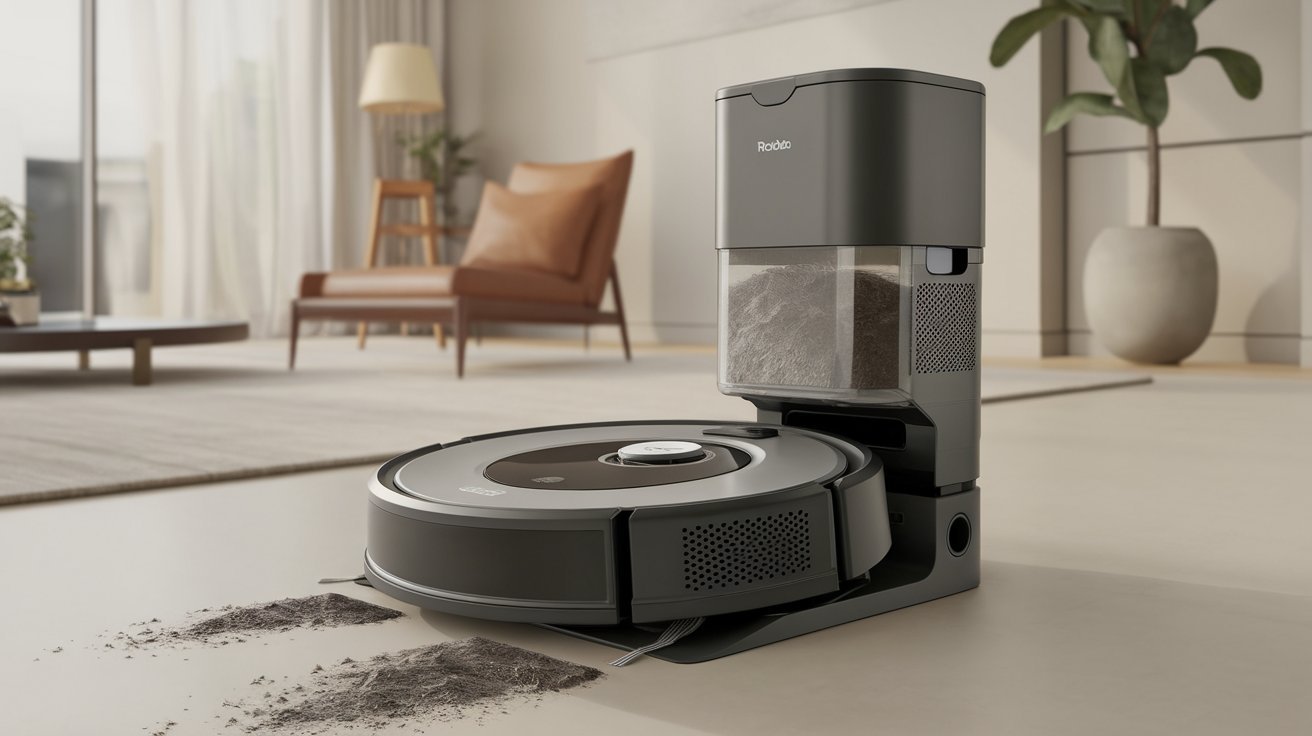
The iRobot Roomba Combo dust bin/tank is designed to give compatible Roomba robot vacuums the ability to handle both vacuuming and wet mopping. However, one of the most important details to understand is that a Combo Bin and a Clean Base automatic dirt-disposal system do not always work together in the same way as a standard dry dust bin. Choosing the correct bin for the specific Roomba model is therefore essential for reliable operation.
The terminology can also be confusing because iRobot uses several different dock and bin configurations across its Roomba Combo range. Some systems provide automatic dirt disposal, while newer Clean Base Auto-Fill Docks can also replenish liquid for compatible robots. Understanding these differences makes it easier to select replacement parts, configure a robot correctly, and avoid unnecessary leaks or docking problems.
What Is the Roomba Combo Dust Bin/Tank?
A Roomba Combo Bin combines debris collection and liquid storage into a single component for compatible 2-in-1 Roomba models. Instead of installing a conventional dry dust bin, the user installs the Combo Bin when the robot needs to vacuum and mop.
For example, iRobot’s support documentation explains that compatible Combo models can use a dedicated mopping bin, while the standard dust bin is used when automatic dirt disposal is required. On supported Roomba Combo i and j models, the Combo Bin must be manually emptied because it is not compatible with the Clean Base self-emptying function.
This distinction is particularly important for owners who have purchased a Roomba Combo j5+ or another model with a Clean Base. The robot may have an automatic dirt-disposal dock, but installing the wet-mopping Combo Bin changes how the disposal system works.
The exact capacity and design also depend on the model. iRobot’s current support information lists different capacities for various Combo bins, demonstrating why a replacement should be matched to the exact Roomba model rather than selected simply because it is labeled “Roomba Combo.”
How the Clean Base Function Works
The Clean Base Automatic Dirt Disposal is designed primarily around the robot’s compatible dry debris bin. When the robot finishes cleaning and returns to the dock, the base can automatically transfer accumulated dirt and debris from the robot into a disposable bag.
The standard Clean Base for compatible Roomba i and j Series products is designed to hold approximately 60 bins of dirt, dust, and hair, allowing users to go for extended periods without manually emptying the robot. iRobot lists the Clean Base as compatible with its i and j Series products, including certain Roomba Combo products.
However, the mopping Combo Bin changes this arrangement. When the Combo Bin is installed on supported models, the robot does not automatically empty that bin through the Clean Base. Instead, the Combo Bin needs to be removed and emptied manually. After reinstalling the standard dry dust bin, automatic dirt disposal can resume.
This is one of the most important points when searching for an iRobot Roomba Combo dust bin/tank with Clean Base function: the presence of a Clean Base does not necessarily mean that every type of bin installed in the robot will automatically empty.
Roomba Combo Bin vs. Standard Dust Bin
The two components serve different purposes.
A standard dust bin is intended primarily for vacuuming. It collects dry debris and, on compatible models, works with the Clean Base’s automatic dirt-disposal mechanism.
A Combo Bin, by contrast, is designed for vacuuming and wet mopping. It contains the necessary liquid reservoir and mopping-related components. Because of its construction, it is not necessarily designed to connect to the Clean Base’s debris evacuation system.
For compatible Roomba Combo i5/i5+ and j5/j5+ systems, iRobot specifically states that the Combo Bin is not compatible with automatic self-emptying. The standard dry bin must be used when automatic dirt disposal is desired.
This means users should select the bin according to the cleaning task. For vacuum-only cleaning with automatic emptying, the standard dust bin is generally the appropriate configuration. For vacuuming and mopping, the Combo Bin is required on models designed for that accessory, with manual emptying required where the Clean Base does not support the Combo Bin.
Clean Base Auto-Fill Dock and Liquid Replenishment
Newer Roomba Combo systems introduce another type of dock: the Clean Base Auto-Fill Dock. This should not be confused with a basic Clean Base Automatic Dirt Disposal unit.
The Auto-Fill Dock is designed for compatible Roomba Combo models and can perform multiple functions. For example, iRobot states that its Clean Base Auto-Fill Dock for the Roomba Combo j7, j7+, and j9+ provides up to 60 days of hands-free debris disposal and up to 30 days of water replenishment.
The Roomba Combo j9+ is specifically designed around this type of system. Its Auto-Fill Dock can empty debris for up to 60 days and replenish liquid for up to 30 days, helping the robot operate with less routine intervention.
Therefore, the phrase “Clean Base function” can refer to significantly different capabilities depending on the Roomba generation. A traditional Clean Base primarily handles debris disposal, while an Auto-Fill Dock can additionally manage liquid replenishment for compatible Combo robots.
How to Prevent Leaks and Bin Problems
Proper handling of the Combo Bin is essential because it contains liquid. iRobot advises users to store the robot with the standard Dust Bin installed when appropriate rather than leaving a wet Combo Bin installed indefinitely.
According to iRobot’s support guidance, leaving the Combo Bin installed can allow water to wick into the mopping pad. This can leave the pad wet and potentially cause flooring damage.
If a Clean Base accidentally receives water, the situation should also be addressed promptly. iRobot explains that water entering the Clean Base can indicate that the wet-mopping bin was not correctly provisioned or configured. If an evacuation bag becomes wet, iRobot recommends replacing it and removing remaining moisture from the base with a clean, dry cloth.
The dock should never be intentionally exposed to water. iRobot also advises against pouring liquids into the device, immersing the dock in water, or using the robot or dock on wet surfaces.
Choosing the Correct Replacement Roomba Combo Bin
When buying an iRobot Roomba Combo dust bin/tank replacement, model compatibility should be the first consideration. A bin that physically resembles the original component is not necessarily compatible with a particular Roomba.
iRobot identifies specific compatible models for its Combo Bin accessories. For example, the Combo Bin associated with the Roomba j5 family is intended for particular Combo models rather than every Roomba product.
Before purchasing a replacement, check the exact Roomba model number, whether the robot is designed for mopping, and whether the dock is a standard Clean Base or an Auto-Fill Dock. These details determine whether the replacement bin supports the expected functions.
It is also important to distinguish a replacement bin from a complete dock. A bin/tank is installed inside the robot, while the Clean Base or Auto-Fill Dock is a separate docking accessory. Replacing one does not automatically upgrade the functionality of the other.
Maintenance Tips for Better Long-Term Performance
Regular maintenance helps keep the Combo system working correctly. The bin should be emptied according to the model’s instructions, and the liquid section should not be left unnecessarily full when the robot is being stored.
The mopping pad should also be cleaned regularly. Sensors and ports should be kept free from accumulated dust and debris because contamination can interfere with bin detection and disposal.
When the robot reports that the wrong bin has been detected, users should verify that the correct component is installed and properly seated. iRobot provides dedicated troubleshooting guidance for bin detection and Clean Base problems on compatible Roomba Combo models.
Cleaning should always be performed according to the instructions for the specific Roomba. Using unapproved liquids or incorrect cleaning solutions can create problems with the robot or dock. iRobot maintains model-specific guidance because cleaning-solution compatibility varies across Roomba generations.
Final Thoughts on the iRobot Roomba Combo Dust Bin/Tank With Clean Base
The iRobot Roomba Combo dust bin/tank with Clean Base function is best understood as a system rather than a single universal accessory. A standard dry dust bin can work with automatic dirt disposal on compatible Roomba models, while a wet-mopping Combo Bin may require manual emptying.
Newer Clean Base Auto-Fill Docks add another level of automation by combining debris disposal with liquid replenishment on supported Combo robots. The Roomba Combo j7/j7+ and j9+ ecosystem demonstrates how iRobot has expanded the role of its docking technology beyond simple charging and dirt collection.
For the correct setup, the most important steps are to identify the exact Roomba model, match the correct bin, determine the type of Clean Base or dock being used, and follow iRobot’s bin and liquid-handling instructions. Doing so helps prevent leaks, incorrect-bin alerts, failed automatic emptying, and unnecessary replacement purchases.
Frequently Asked Questions
Can the Roomba Combo Bin automatically empty into a Clean Base?
On supported Combo i and j models covered by iRobot’s guidance, no. The Combo Bin must be manually emptied. Automatic disposal resumes when the compatible standard dust bin is installed.
Does every Roomba Clean Base refill water?
No. A standard Clean Base Automatic Dirt Disposal system primarily handles debris. Auto-Fill Docks for compatible Combo models can also replenish liquid.
Can the Combo Bin be left installed after mopping?
iRobot advises storing the robot with the appropriate dry Dust Bin rather than leaving the wet Combo Bin installed, because water can continue wicking into the mopping pad.
How do we choose a replacement Combo dust bin/tank?
The replacement should be selected according to the exact Roomba model and bin type. Compatibility varies between Roomba generations, so a generic “Roomba Combo” replacement should not be assumed to fit every model.

A home is much more than just a building—it is a place where families create memories, find comfort, and build their future. As homeowners continue to seek smarter, more efficient, and more stylish living spaces, platforms and services like CFA Home have become increasingly relevant. Whether you’re planning to renovate, decorate, improve energy efficiency, or simply maintain your property, understanding what CFA Home offers can help you make informed decisions.
In today’s fast-paced world, homeowners are looking for trusted resources that provide practical guidance, innovative ideas, and reliable home improvement solutions. CFA Home aims to meet these needs by offering information, products, or services that support comfortable, functional, and modern living. From interior design inspiration to maintenance tips and smart home technology, CFA Home is designed to simplify homeownership while enhancing everyday life.
This comprehensive guide explores everything you need to know about CFA Home, including its features, benefits, home improvement solutions, and why it has become an important resource for homeowners seeking quality, convenience, and long-term value.
Quick Facts
| Detail | Information |
|---|---|
| Name | CFA Home |
| Category | Internal employee and operations portal |
| Associated brand | Chick-fil-A |
| Primary audience | Corporate employees, franchise Operators, restaurant leaders, and eligible team members |
| Public access | Not available to the general public |
| Login requirement | Assigned organizational credentials |
| Security management | Okta Identity Management |
| Main purpose | Secure access to internal resources and tools |
| Training function | Pathway learning modules and procedure guidance |
| Operations function | Store management, daily metrics, inventory, and support resources |
| Logistics function | Support tickets, uniform orders, and equipment part requests |
| Customer use | Not designed for guest ordering or public support |
| Access status | Restricted to active authorized personnel |
| Typical environment | Corporate, restaurant, and franchise operations |
| Key benefit | Centralized workplace access |
| Risk of misuse | Unauthorized login attempts and credential sharing |
| Best practice | Use only official credentials and approved devices |
| Related systems | Pathway, internal support, operational dashboards, and identity verification tools |
| SEO topic type | Workplace portal and employee resource guide |
| Important note | Access details may vary by role, location, and authorization level |
What Is CFA Home?
CFA Home represents a modern approach to home living by focusing on solutions that improve residential spaces through thoughtful planning, practical advice, and innovative home products or services. Whether helping homeowners maintain their property, renovate existing rooms, or adopt smart technologies, CFA Home emphasizes creating homes that are comfortable, efficient, and visually appealing.
Unlike traditional home improvement resources that focus on a single area, CFA Home often addresses multiple aspects of homeownership, including maintenance, remodeling, organization, sustainability, and interior aesthetics. This broad perspective makes it valuable for first-time homeowners, experienced property owners, renters looking for inspiration, and anyone interested in improving their living environment.
By combining expert insights with practical recommendations, CFA Home helps individuals make confident decisions that contribute to a safer, more enjoyable, and more valuable home.
Key Features That Make CFA Home Stand Out
One of the reasons homeowners appreciate CFA Home is its focus on practical, easy-to-understand solutions. Rather than overwhelming users with technical language, it presents information in a way that is accessible and actionable.
Comprehensive Home Improvement Guidance
Whether planning a kitchen renovation or updating a bathroom, CFA Home offers ideas and recommendations that simplify the renovation process.
Smart Home Integration
Technology has become an essential part of modern living. CFA Home explores smart lighting, security systems, thermostats, and connected devices that improve convenience and energy efficiency.
Interior Design Inspiration
Creating a beautiful home involves more than selecting furniture. CFA Home provides inspiration for color palettes, décor styles, space planning, and seasonal decorating ideas that suit various tastes and budgets.
Maintenance Tips
Routine maintenance helps prevent expensive repairs. CFA Home encourages proactive care by sharing maintenance schedules, inspection checklists, and practical repair advice.
Energy Efficiency Solutions
Reducing energy consumption benefits both homeowners and the environment. CFA Home highlights energy-saving appliances, insulation improvements, LED lighting, and water conservation strategies that lower utility costs over time.
Why Homeowners Choose CFA Home
Choosing a reliable source of home information saves time, reduces stress, and supports better decision-making. CFA Home appeals to homeowners because it focuses on practical value rather than overly complex advice.
Some of the key benefits include:
- Easy-to-follow home improvement ideas
- Modern design inspiration
- Budget-friendly renovation suggestions
- Maintenance recommendations
- Smart technology insights
- Organization and storage solutions
- Sustainability practices
- Long-term property value enhancement
These benefits make CFA Home suitable for individuals at every stage of homeownership, whether purchasing a first home or upgrading an existing property.
Essential Home Improvement Ideas from CFA Home
Improving a home does not always require a major renovation. Small, thoughtful upgrades can make a noticeable difference in comfort, appearance, and functionality.
Kitchen Upgrades
The kitchen is often considered the heart of the home. Updating cabinets, replacing hardware, improving lighting, or installing energy-efficient appliances can modernize the space while increasing functionality.
Bathroom Improvements
Simple changes such as installing water-saving fixtures, updating mirrors, improving ventilation, or replacing outdated lighting can create a fresh and inviting bathroom.
Living Room Enhancements
Comfortable seating, layered lighting, decorative accents, and smart storage help transform the living room into a welcoming space for relaxation and entertainment.
Outdoor Living Spaces
Patios, gardens, decks, and outdoor seating areas extend the usable living space and provide opportunities for family gatherings and relaxation.
Storage Optimization
Efficient storage solutions reduce clutter and improve organization throughout the home. Built-in shelving, multifunctional furniture, and closet organizers maximize available space.
Smart Home Technology and Modern Living
Technology continues to reshape the way people interact with their homes. CFA Home recognizes the importance of integrating smart devices that improve convenience, efficiency, and security.
Popular smart home features include:
- Smart lighting systems
- Video doorbells
- Security cameras
- Smart locks
- Voice assistants
- Automated thermostats
- Leak detection sensors
- Smart smoke detectors
These technologies allow homeowners to monitor and manage their property remotely while improving safety and reducing energy consumption.
In addition to convenience, smart home systems often contribute to lower utility bills by optimizing heating, cooling, and lighting based on occupancy and usage patterns.
Creating a Sustainable and Energy-Efficient Home
Sustainability has become an important consideration for modern homeowners. CFA Home encourages environmentally responsible practices that also provide long-term financial benefits.
Improve Insulation
Proper insulation reduces heat loss during winter and keeps interiors cooler during summer, lowering heating and cooling costs.
Choose Energy-Efficient Appliances
Modern appliances consume less electricity and water while maintaining excellent performance.
Use LED Lighting
LED bulbs last significantly longer than traditional bulbs while using considerably less energy.
Install Water-Saving Fixtures
Low-flow showerheads, efficient faucets, and dual-flush toilets reduce water consumption without sacrificing performance.
Increase Natural Lighting
Larger windows, skylights, and strategically placed mirrors maximize daylight, reducing dependence on artificial lighting during daytime hours.
These sustainable improvements contribute to lower utility expenses while supporting environmentally responsible living.
How CFA Home Supports Every Stage of Homeownership
Homeownership is an ongoing journey that involves continuous learning and adaptation. CFA Home serves as a helpful resource whether someone is buying a new property, maintaining an existing home, or planning significant renovations.
For first-time homeowners, guidance on maintenance schedules, budgeting, and organization helps build confidence. Established homeowners can benefit from advanced remodeling ideas, smart technology integration, and strategies to improve energy efficiency.
Those preparing to sell their property may also find value in recommendations that enhance curb appeal, modernize interiors, and increase market attractiveness. By addressing different homeowner needs, CFA Home supports informed decision-making throughout the life of a property.
The Future of Home Living with CFA Home
As technology, design trends, and sustainability continue to evolve, the concept of home living will become increasingly connected, efficient, and personalized. CFA Home reflects these changes by encouraging homeowners to adopt practical innovations that improve comfort and long-term value.
Future developments may include expanded use of artificial intelligence in home automation, more energy-efficient construction materials, improved security technologies, and greater emphasis on environmentally friendly living. Homeowners who stay informed about these trends are better positioned to create spaces that meet changing lifestyle needs.
CFA Home’s focus on practical guidance, modern solutions, and thoughtful planning ensures that homeowners have access to ideas that remain relevant in an evolving housing landscape.
Conclusion
CFA Home represents a comprehensive approach to creating comfortable, efficient, and attractive living spaces. By offering guidance on home improvement, maintenance, interior design, smart technology, and sustainable practices, it provides valuable support for homeowners seeking to enhance both functionality and quality of life.
Whether making small upgrades or planning major renovations, informed decisions contribute to a home that is safer, more enjoyable, and better prepared for the future. As housing trends continue to evolve, resources like CFA Home help homeowners embrace innovation while preserving the comfort and value of their most important investment.
Frequently Asked Questions (FAQs)
What is CFA Home?
CFA Home is a home-focused concept or platform that provides guidance, ideas, products, or services related to home improvement, maintenance, design, and modern living.
Who can benefit from CFA Home?
Homeowners, renters, first-time buyers, property investors, and anyone interested in improving their living space can benefit from the information and solutions associated with CFA Home.
Does CFA Home cover smart home technology?
Yes. Smart lighting, security systems, connected devices, and energy management are common topics associated with modern home improvement.
How can CFA Home help improve property value?
By encouraging regular maintenance, thoughtful renovations, energy-efficient upgrades, and modern design improvements, homeowners can enhance both functionality and market appeal.
What are the most affordable home improvements?
Painting walls, updating lighting, replacing cabinet hardware, improving storage, installing LED bulbs, and enhancing landscaping are among the most cost-effective upgrades.
Why is energy efficiency important for homeowners?
Energy-efficient improvements reduce utility costs, increase comfort, minimize environmental impact, and often add long-term value to a property.
How often should home maintenance be performed?
Routine inspections should be conducted throughout the year, with seasonal maintenance helping to identify potential issues before they become costly repairs.

2025 Toyota Sequoia Platinum: Luxury, Power, Features, Towing and Complete Guide

Dan Cogdell: Biography, Legal Career, Notable Cases, and Professional Background in 2026

iRobot Roomba Combo Dust Bin/Tank With Clean Base Function: Complete 2026 Guide

Eloise Christina Schwarzenegger Pratt: Biography, Family, Parents, Early Life, and Growing Public Interest

Who Is Judy Parsons? The Untold Story of Jim Parsons Mother

Chrome Music Lab: A Creative and Interactive Way to Explore Music Online
-
 Celebrity2 months ago
Eloise Christina Schwarzenegger Pratt: Biography, Family, Parents, Early Life, and Growing Public Interest
-
 Celebrity3 months ago
Who Is Judy Parsons? The Untold Story of Jim Parsons Mother
-
 Entertainment2 months ago
Chrome Music Lab: A Creative and Interactive Way to Explore Music Online
-

 Celebrity2 months ago
Sophia Rose Stallone: Biography, Career, Family, Education, Podcast, and Growing Influence
-

 Celebrity3 months ago
Who Is Nanette Bledel? The Untold Story of Alexis Bledel’s Mother
-

 Blog2 months ago
ThriftyEvents Net: The Complete 2026 Guide to Budget-Friendly Event Planning, Smart Resources, and Creative Celebration Ideas
-

 Celebrity3 months ago
Who Was Santa Gandolfini? James Gandolfini’s Mother
-

 Business2 months ago
www.BlueFlamePublishing .net: The Complete 2026 Guide to Publishing, Self-Publishing, Book Marketing, and Author Success