Uncategorized
Flooding in Auburn WA: Causes, Risks, Preparedness, and What Residents Should Know in 2026

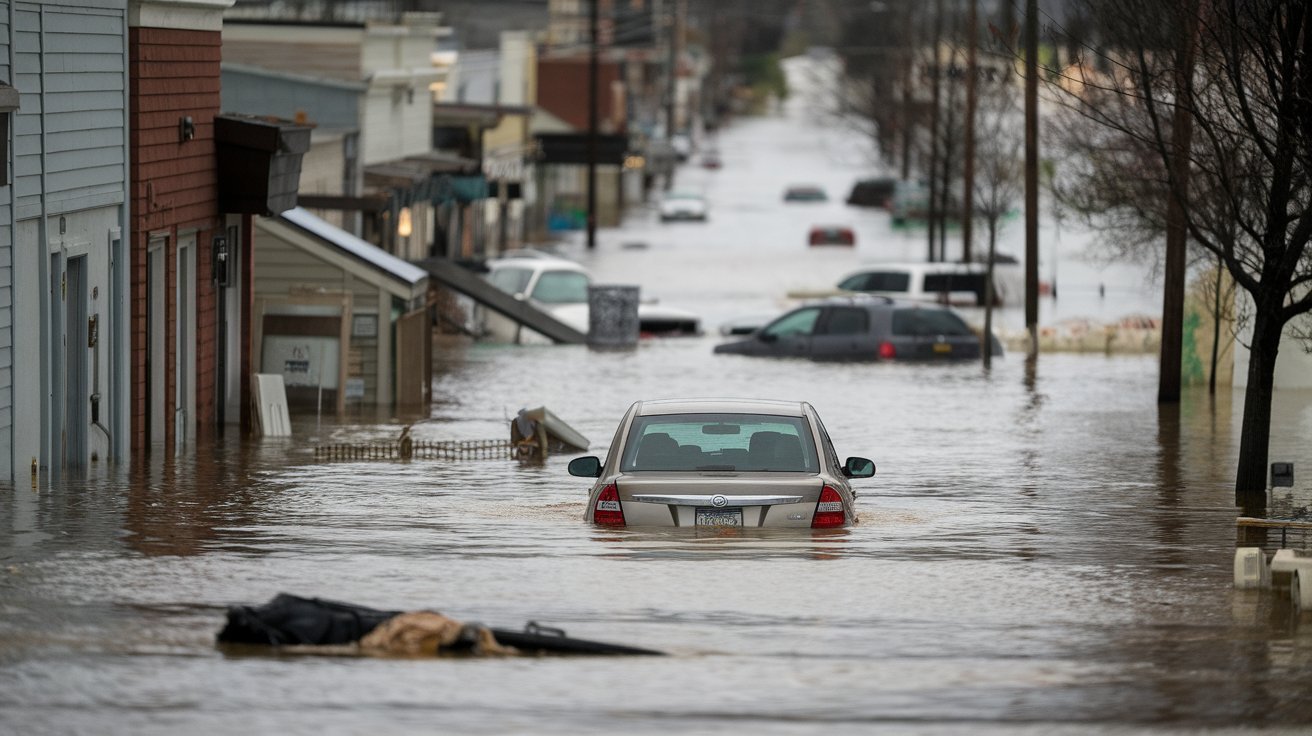
Flooding in Auburn WA is an important seasonal concern because the city sits in a valley influenced by the Green River, White River, Mill Creek, stormwater runoff, and low-lying areas. While dams, levees, drainage infrastructure, and flood-management programs have reduced the risk of major flooding, heavy rainfall and other high-water events can still create dangerous conditions for homes, businesses, roads, and public infrastructure. The City of Auburn identifies flooding as one of the natural hazards that residents should understand and prepare for.
Understanding where flooding can occur, what causes it, and what residents can do before and during a flood helps households make practical decisions. In Auburn, flood preparation is particularly important during the wetter winter months, when heavy rainfall and runoff can place additional pressure on rivers and stormwater systems.
What Causes Flooding in Auburn WA?
The geography of Auburn plays a major role in its flood risk. According to the City of Auburn, flooding in the broader King and Pierce County region can result from heavy rainfall combined with snowmelt from the Cascade Mountains, increasing water levels in the Green and White Rivers. Most river-related flooding occurs during the winter, particularly between November and February.
River flooding is not the only concern. Localized stormwater flooding can occur when intense rainfall produces more runoff than drainage systems can immediately handle. Clogged or slow storm drains can contribute to temporary street flooding, and the city notes that minor street flooding associated with drainage issues occurs nearly every year.
Auburn’s stormwater infrastructure is extensive. The city’s storm drainage system includes approximately 242 miles of pipe, 13,200 catch basins and manholes, 260 stormwater facilities, seven pump stations, and 40 miles of ditch. These systems are designed to move rainwater from streets and properties toward nearby waterways.
Which Areas of Auburn Are More Vulnerable to Flooding?
Flood risk is not identical throughout Auburn. Low-elevation areas, the valley floor, and locations near rivers and creeks can face greater exposure during high-water events. The City specifically identifies portions of Auburn near the Green River and White River as vulnerable, while higher flood stages can affect broader portions of northern Auburn.
The city’s floodplain information provides more detailed geographic guidance. High-risk Special Flood Hazard Areas (SFHAs) are found primarily along the Green and White Rivers, as well as around Mill Creek and portions of the northern valley. The city provides an interactive map that residents can use to determine whether a property is located within a regulated flood hazard area.
A property does not necessarily need to have experienced flooding in the past to have a designated flood risk. Floodplain maps consider factors such as ground elevations, historical rainfall information, and modeled flood scenarios. Auburn also has flood-control infrastructure, including the Howard A. Hanson Dam, Mud Mountain Dam, and levees, but these measures reduce rather than completely eliminate flood risk.
How Flooding Can Affect Homes, Roads, and Businesses
Flooding can cause much more than standing water on a street. Rising water may damage foundations, flooring, electrical systems, appliances, vehicles, furniture, landscaping, and business equipment. Roads can become impassable, while water may interfere with utilities and transportation.
The City of Auburn warns that major flooding can affect residents, businesses, property, and infrastructure. Floodwater can also create physical dangers, including moving water, contaminated surfaces, unstable areas, and downed electrical lines.
Stormwater flooding presents another challenge because it can develop quickly during intense rainfall. Leaves, sediment, and debris around drainage structures can restrict water movement. Property owners also have responsibilities for maintaining certain private stormwater systems, including drainage facilities, catch basins, ponds, and ditches.
How to Prepare for Flooding in Auburn WA
Preparation should begin before heavy rain arrives. Auburn recommends maintaining emergency supplies and having enough resources to remain self-sufficient during a prolonged emergency. The city recommends a 72-hour Go Kit containing essentials such as food, water, first-aid supplies, medications, important documents, toiletries, and other necessities. It also encourages residents to prepare for potentially longer disruptions.
Homeowners can take additional steps before a flood. Vehicles, trailers, equipment, and other valuable items should be moved to higher ground when flooding is anticipated. Important documents, electronics, and valuables should be stored above areas that could be affected by rising water.
Residents should also keep gutters, downspouts, and nearby drainage areas clear of leaves and debris. During a flood-readiness advisory for areas along Green River Road, Auburn specifically recommended clearing gutters, downspouts, and nearby storm drains while moving vehicles and important belongings to higher locations.
Knowing the evacuation route before an emergency is equally important. Households should identify a higher-elevation meeting location, establish communication plans, and know how to leave home, work, or school without relying on roads that could become flooded.
What to Do During a Flood
When flooding develops, personal safety should come before property. Do not walk or drive through flooded areas. Even relatively shallow water can conceal damaged pavement, debris, open drains, or other hazards, while moving water can be extremely dangerous.
If water is rapidly entering a building and residents become trapped, the City of Auburn advises calling 911. People should remain away from downed power lines and areas with moving water and follow instructions from emergency officials.
If evacuation is ordered or clearly necessary, residents should move toward higher ground using an established route. Emergency supplies should be accessible rather than packed away in a location that could become inaccessible.
Floodwater can also contain contaminants. After contact with floodwater, residents should wash their hands thoroughly with soap and clean water. If a property has been flooded, utilities should remain off until emergency officials determine that it is safe to restore them.
Flood Insurance and Auburn Floodplain Information
Understanding a property’s flood-zone designation can be valuable even when flooding has never occurred there. Auburn explains that FEMA flood maps divide areas according to different levels of flood risk. Properties within designated high-risk areas may be subject to floodplain regulations and federal flood-insurance purchase requirements, while insurance rules differ in lower-risk areas.
Residents can review FEMA flood maps and Auburn’s floodplain information to understand the potential exposure of a property. The city’s floodplain staff can also help property owners determine whether a property lies partly or completely within a regulated flood area and explain applicable development requirements.
Flood insurance should not be confused with ordinary homeowners insurance. Residents should review their individual policies and discuss flood coverage with an insurance professional before an emergency occurs.
Auburn’s Stormwater and Flood Management Efforts
Flood management in Auburn involves more than emergency response. The city maintains a dedicated Storm Drainage Utility focused on drainage planning, infrastructure improvements, development regulations, and system maintenance. Auburn also participates in regional stormwater and water-quality programs.
The city’s Comprehensive Storm Drainage Plan was updated in 2024 to guide stormwater projects and policies over the following years. The planning process addresses stormwater runoff, drainage infrastructure, natural water systems, and strategies intended to improve community resilience while protecting waterways.
Auburn also operates under a municipal NPDES stormwater permit issued by the Washington State Department of Ecology. Its stormwater management program includes planning, public education, drainage-system mapping, maintenance, runoff controls, and measures intended to reduce pollution entering local waterways.
Final Thoughts on Flooding in Auburn WA
Flooding in Auburn WA remains an important issue because the city’s rivers, valley geography, drainage network, and winter rainfall can combine to create both localized and river-related flooding. Modern dams, levees, stormwater infrastructure, floodplain regulations, and emergency-management programs reduce risk, but they cannot remove it entirely.
The most practical approach is to know the flood risk of your property, monitor official warnings, maintain emergency supplies, protect valuables, understand evacuation routes, and never drive or walk through floodwater. Residents can also use Auburn’s official floodplain and emergency-management resources to stay informed as conditions change.
For recovery after a flood, documentation is particularly important. Auburn advises affected residents and businesses to photograph and document damage, contact their insurance provider, and keep receipts and records of expenses because assistance programs may require supporting documentation.
With preparation before severe weather and careful attention to official alerts during an event, Auburn households can be better positioned to respond safely when flooding occurs in Auburn, Washington.


2025 Toyota Sequoia Platinum: Luxury, Power, Features, Towing and Complete Guide

Dan Cogdell: Biography, Legal Career, Notable Cases, and Professional Background in 2026

iRobot Roomba Combo Dust Bin/Tank With Clean Base Function: Complete 2026 Guide

Eloise Christina Schwarzenegger Pratt: Biography, Family, Parents, Early Life, and Growing Public Interest

Who Is Judy Parsons? The Untold Story of Jim Parsons Mother

Chrome Music Lab: A Creative and Interactive Way to Explore Music Online
-
 Celebrity2 months ago
Eloise Christina Schwarzenegger Pratt: Biography, Family, Parents, Early Life, and Growing Public Interest
-
 Celebrity3 months ago
Who Is Judy Parsons? The Untold Story of Jim Parsons Mother
-
 Entertainment2 months ago
Chrome Music Lab: A Creative and Interactive Way to Explore Music Online
-

 Celebrity3 months ago
Who Is Nanette Bledel? The Untold Story of Alexis Bledel’s Mother
-

 Celebrity2 months ago
Sophia Rose Stallone: Biography, Career, Family, Education, Podcast, and Growing Influence
-

 Blog2 months ago
ThriftyEvents Net: The Complete 2026 Guide to Budget-Friendly Event Planning, Smart Resources, and Creative Celebration Ideas
-

 Celebrity3 months ago
Who Was Santa Gandolfini? James Gandolfini’s Mother
-

 Business2 months ago
www.BlueFlamePublishing .net: The Complete 2026 Guide to Publishing, Self-Publishing, Book Marketing, and Author Success